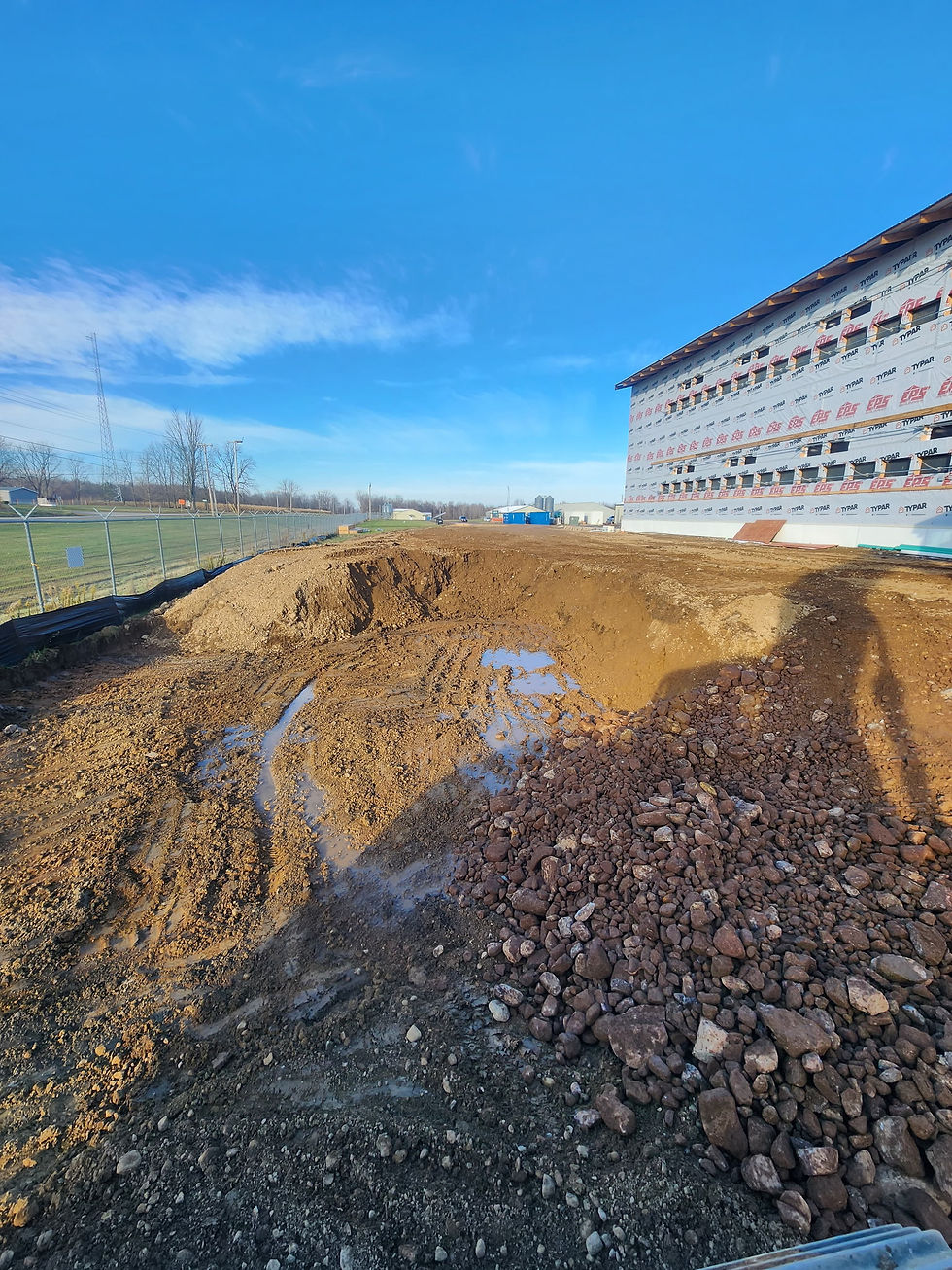
Top 5 reasons to Have a Pond Dug on Your Central New York Farm


On a working farm, water is infrastructure. A well-sited agricultural pond can provide reliable storage, improve day-to-day efficiency, and support long-term resilience—especially in places like Central New York where seasonal precipitation, freeze–thaw cycles, and runoff management all influence field conditions.
If you’ve been considering having a pond dug on your farm, just know that the biggest value comes from building the right pond for the right job: irrigation ponds, livestock ponds, stormwater ponds, and (where appropriate) manure lagoons, designed to meet farm goals and local requirements.

1) Secure Dependable Water Storage for Irrigation and Drought Planning
An irrigation pond gives you on-site water storage that can reduce reliance on municipal supply or unpredictable surface flows. Even when rainfall totals look “normal” in Central New York, timing matters—pond storage helps you smooth out dry stretches during germination, peak growth, and late-season finishing.
How Irrigation Ponds Support Farm Performance
Operational flexibility: Irrigate when crops need it rather than when water is available.
Yield protection: Buffer short-term drought stress that can reduce quality and marketable yield.
Planning capacity: Integrate storage into whole-farm water budgeting across fields and rotations.
Professional commercial pond services can help determine practical storage volume, inlet/outlet design, and sediment control so the pond remains useful over time.
2) Improve Livestock Hydration, Distribution, and Pasture Management
Well-designed livestock ponds can support animal hydration and reduce the labor of hauling water—especially for rotational grazing systems. When thoughtfully located, ponds can improve pasture utilization by drawing animals to underused areas.
Key Considerations for Livestock Ponds
Safe access: Stabilized watering points or controlled access to reduce bank damage.
Water quality: Minimize nutrient loading and keep sediment from turning the pond into a mud basin.
Freeze-season planning: Account for winter water access and ice conditions common in Central New York.
A qualified pond builder can help you choose layouts that balance access with shoreline protection and long-term maintenance.

3) Manage Runoff, Erosion, and Field Drainage More Effectively
A farm pond can act as a practical tool for capturing stormwater and slowing runoff from roads, lanes, and sloped fields. This helps reduce erosion, protect downstream waterways, and improve field traffic-ability after heavy rain.
How Agricultural Ponds Support Water Management
Sediment capture: slows water so soil settles before it reaches streams or ditches.
Peak-flow reduction: attenuates storm surges that can blow out culverts and crossings.
Infrastructure protection: reduces washouts on farm lanes and around buildings.
If your farm deals with recurring wet spots or washouts, a site assessment by a local pond digger can identify where storage and diversion will do the most work for the least disturbance.
4) Support Nutrient Management and Waste Handling with Purpose-Built Containment
For some operations, manure lagoons (or other engineered containment) are part of a broader nutrient management strategy. When properly designed, they can reduce the risk of uncontrolled runoff and help you time land application more responsibly.
Why Professional Design and Construction Matters
Environmental protection: Minimizes the chance of nutrient migration into surface and groundwater.
Operational scheduling: Creates storage that supports application windows aligned with agronomic needs.
Compliance readiness: Improves documentation and management around storage, freeboard, and inspection.
Because containment systems can involve permitting and strict engineering requirements, this is an area where experienced commercial pond services and local regulatory familiarity are especially important.
5) Add Multi-Use Capability: Fire Protection, Equipment Water, and Aquaculture Options

Beyond the primary agricultural use case, a farm pond often becomes a multi-use asset. Many farms value having on-site water available for fire protection, washing equipment, mixing certain inputs (where appropriate), or supporting specialty operations.
Common Multi-Use Benefits
Fire protection water source: accessible storage can support emergency response planning.
Equipment and facility needs: flexibility for cleaning and certain operational uses.
Aquaculture potential: where feasible, fish pond construction can support recreation or small-scale production.
How to Get the Most from Agricultural Ponds on Your Farm
The difference between a pond that helps for decades and one that becomes an ongoing headache often comes down to planning, siting, and construction details.
Start with the job: Irrigation pond, livestock pond, stormwater pond, or engineered containment—each needs a different design approach.
Design for sediment: Include forebays, stabilized inlets, or other controls so the main basin doesn’t fill prematurely.
Plan for access and maintenance: Ensure equipment can reach critical points without destroying banks.
Think seasonally: Central New York conditions (snowmelt, freeze–thaw, spring saturation) should inform spillway and slope choices.
Choosing a Pond Digger Near You (with Farm Experience)
When comparing custom pond builders and excavation contractors, prioritize agricultural experience and a process that starts with a site walk and clear design assumptions. Ask how they handle soil variability, compaction, spillways, and erosion control during construction.
Good contractors typically provide:
Site evaluation and layout recommendations tied to farm objectives
Clear excavation plan, spoil placement plan, and stabilization approach
Guidance on long-term maintenance (sediment, vegetation, and bank repair)
Conclusion
Having a pond dug on your farm is more than an upgrade—it’s a practical investment in water security, livestock management, and whole-farm resilience. Whether your priority is agricultural ponds, irrigation ponds, livestock ponds, or specialized containment, the right plan and the right contractor can turn your pond into a long-term asset for your operation.
We've dug all type of ponds for farms in Central New York. You can learn more about our pond digging services here or contact us to talk more about your pond potential.