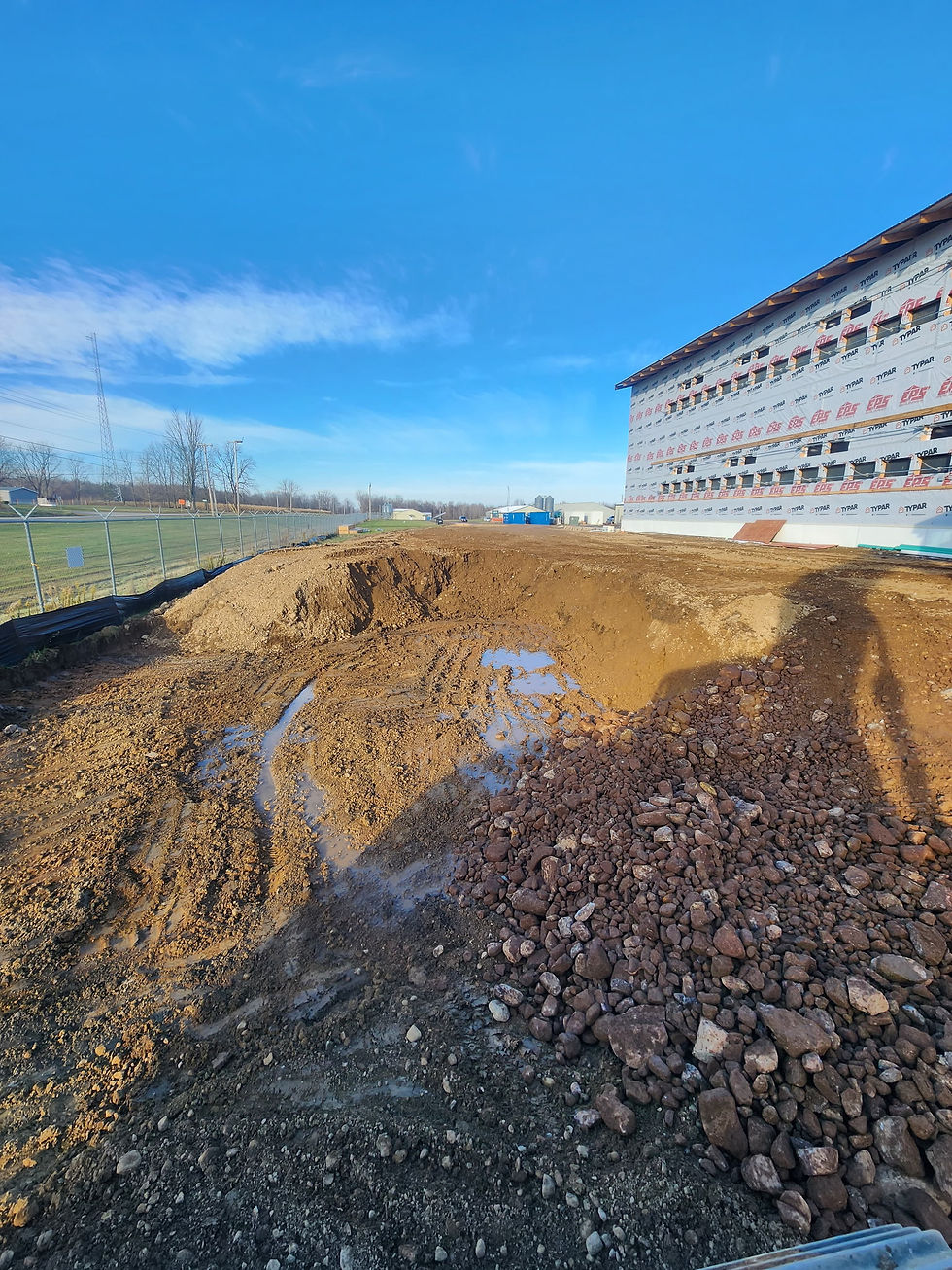
What does an excavation contractor do

Have you ever looked at a vacant, overgrown lot and wondered how it magically transforms into a pristine, stable foundation for a new home? The secret lies in heavy machinery, expert planning, and a deep understanding of how the earth moves.
If you are planning a major construction, renovation, or landscaping project, you might find yourself asking: What does an excavation contractor do?
In short, these professionals are the unsung heroes of the construction world. They are typically the first team to arrive on a job site and the last to leave before the actual building construction begins. Without their expertise, a sturdy, safe home would be impossible to build.
Let’s dig into the details of the specific roles, responsibilities, and tasks handled by a professional excavation company.
The Core of Excavation Contractor Services

At its most basic level, earthwork is about manipulating the ground to fit the needs of a construction project. But it goes far beyond just moving piles of dirt. When you hire an excavation company, you are bringing in experts who provide comprehensive residential site preparation services.
Before a single concrete footing can be poured, the land must be completely cleared and prepped. This initial phase usually involves land clearing and brush removal. Contractors will strip away trees, stubborn root systems, large boulders, and unwanted vegetation so builders have a blank, workable canvas. If these organic materials were left in the soil, they would eventually decay, causing the ground—and the home above it—to sink and shift.
Laying the Groundwork: Digging and Trenching
Once the land is cleared, the real digging begins. The most well-known of all excavation contractor services is managing the foundation digging and backfilling process.
Contractors must dig to the precise depth and dimensions required by the architectural blueprints. This ensures the foundation is perfectly level and sits below the frost line if required in your climate. After the concrete foundation is poured and cured, the contractor returns to carefully backfill the soil against the new foundation walls to stabilize the structure.
Furthermore, a modern home requires a complex network of hidden pipes and wires to function. Excavators are responsible for trenching for underground utility lines, connecting your home safely to the local grid. This precise work includes:
Sewer and water line excavation: Digging deep, safely sloped trenches to connect your home’s plumbing to city lines.
Electrical and gas line trenching.
Septic system tank hole digging: For rural properties, contractors dig the precise, oversized spaces required to safely bury septic tanks and install leach fields.
Grading, Drainage, and Site Safety
Water is a building’s worst enemy. Because of this, one of the most critical aspects of site preparation is lot grading—the process of leveling or sloping the land to direct water away from the structure.
Homeowners often call in an earthwork specialist when they notice signs of poor lot grading, such as water pooling near the foundation, a perpetually soggy lawn, or water leaking into a basement after heavy rain.
To prevent these disasters on a new build, contractors perform drainage system installation for homes, which can include cutting swales, installing French drains, or creating retention ponds. Alongside drainage, they employ rigorous soil compaction and erosion control methods. By using heavy rollers and compactors, they squeeze the air out of the soil to prevent future settling, ensuring rain won't wash the newly sculpted land away.
Beyond Digging: Demolition and Equipment

Many property owners are curious about excavation vs landscaping differences. The easiest way to understand it is that excavators deal with structural, deep earthwork, while landscapers focus on the aesthetic, surface-level design (like planting trees, laying sod, and building garden walls).
Because their work is heavy-duty, excavators must be licensed to operate various types of heavy earthmoving equipment. A standard job site might feature:
Excavators: For deep digging, lifting heavy materials, and demolishing structures.
Bulldozers: For pushing massive amounts of dirt and rough grading.
Skid-steer loaders: For tight, residential spaces and moving materials.
Backhoes: A versatile tool for trenching and backfilling.
Additionally, if your project involves tearing down an existing structure to make room for a new one, many of these contractors offer residential demolition and debris hauling. They safely tear down old sheds, cracked driveways, or fire-damaged homes, hauling the concrete and debris away to local recycling centers or landfills.
Navigating the Logistics: Permits and Pricing
A reputable contractor doesn't just work in the dirt; they also handle the red tape. Earthmoving is heavily regulated to protect city utilities and local ecosystems. Your contractor will guide you through acquiring the necessary building permits for site work, ensuring your project complies with municipal zoning laws and environmental regulations.
When planning your budget, it’s vital to get accurate excavation contractor cost estimates upfront. The cost of excavation services can vary wildly depending on several factors:
Soil type: Sandy soil is cheap to move; hitting solid bedrock requires expensive hydraulic breakers.
Site access: Tight urban lots require smaller equipment and more manual labor, driving up costs.
Project scope: The length of your utility trenches and the size of your foundation will directly dictate the final price.
How to Hire a Grading Contractor for Your Next Project

If you are gearing up for a build, knowing how to hire a grading contractor is essential for keeping your project on time and within budget. Here are a few actionable tips:
Verify Licenses and Insurance: Earthmoving carries inherent risks, like accidentally hitting a city water main. Ensure your contractor is fully insured and bonded to protect yourself from liability.
Ask About Specific Experience: If you need a foundation dug on a steep hillside, ask the contractor if they have specific experience with complex erosion control and sloped grading.
Get Everything in Writing: Ensure your quote outlines the specific scope of work, including who is responsible for pulling permits and hauling away debris.
Check References: A great contractor will gladly provide references from past residential clients or local home builders who can vouch for their reliability.
The Bottom Line
So, what does an excavation contractor do? They quite literally lay the groundwork for your future. From clearing stubborn brush and digging deep utility trenches to expertly grading the soil to protect your foundation from water damage, these professionals ensure your construction project starts on solid ground. By hiring an experienced, licensed contractor, you can rest easy knowing the unseen foundation of your home is built to last a lifetime.
If you need excavation services from an experience excavation contractor, contact us. We'd be happy to see how we can help you.